
Plaka Photo Walk - Street by street

Wander Through Plaka: A Street-by-Street Photo Walk in the Heart of Athens
Plaka isn’t just a neighborhood — it’s a living museum of Athenian history, culture, and charm. This free photo walk takes you through its most iconic and hidden streets, revealing not just monuments, but the stories in between. Below, explore each street on the route: what to see, what to shoot, and what stories the walls could tell.
Step off the map, into a Story
Wander the Alleys Where the Time Pauses - and We Capture it
The Route
From the Acropolis station, through cobbled lanes and secret courtyards, our lens will follow your steps as you trace the heart of old Athens.
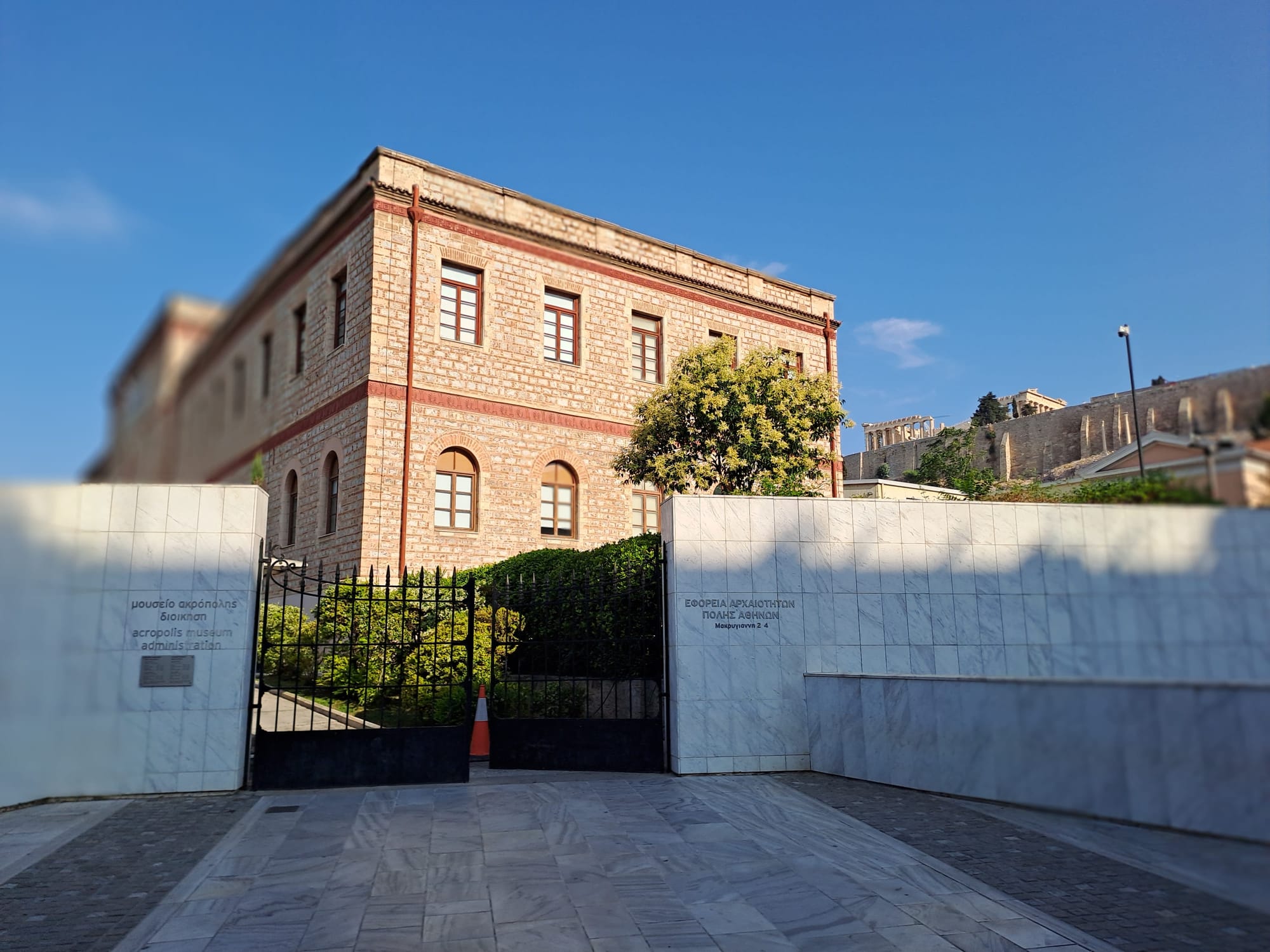
🚩 Acropolis Metro Station
The Acropolis Museum
As soon as you step out of Acropolis Station, you’re greeted by a rare mix of archaeology, modern design, and pedestrian-friendly avenues. This area forms the gateway between Athens' ancient treasures and its vibrant urban core.
🏛️ Highlights Around the Station:
- Acropolis Museum:
A modern architectural marvel housing artifacts from the Acropolis itself. Even from outside, you can admire the glass floor revealing ancient ruins underneath. - Makrygianni Neighborhood:
Named after General Ioannis Makrygiannis, this area is full of preserved neoclassical buildings and tree-lined streets — perfect for a calm first few shots. - Dionysiou Areopagitou Street:
Just steps away, this pedestrian promenade runs along the southern slope of the Acropolis. It’s a scenic, shaded path lined with street musicians and art vendors, connecting major archaeological sites like the Theatre of Dionysus. - View of the Parthenon:
Before even beginning the walk, look up — the Parthenon looms above in full view, especially striking in the morning light.


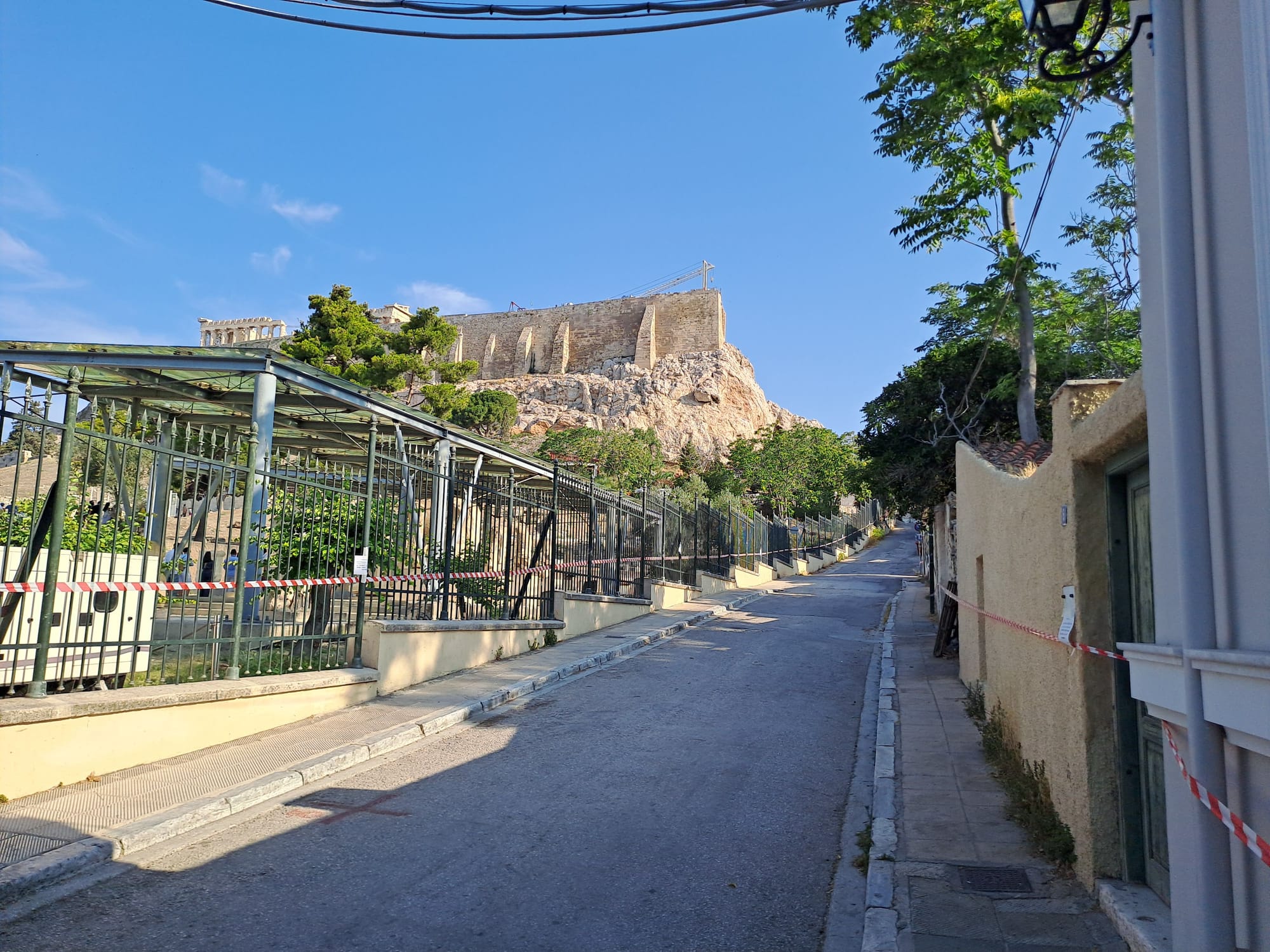
📍Thrasyllou Street
Tucked just behind the Acropolis slopes, Thrasyllou Street (Οδός Θρασύλλου) feels like a quiet detour — but it’s layered with significant archaeological and cultural value. It winds gently past ancient ruins, byzantine churches, and modern preservation labs, giving you a moment to shift from touristy Plaka into something deeper and more reflective.
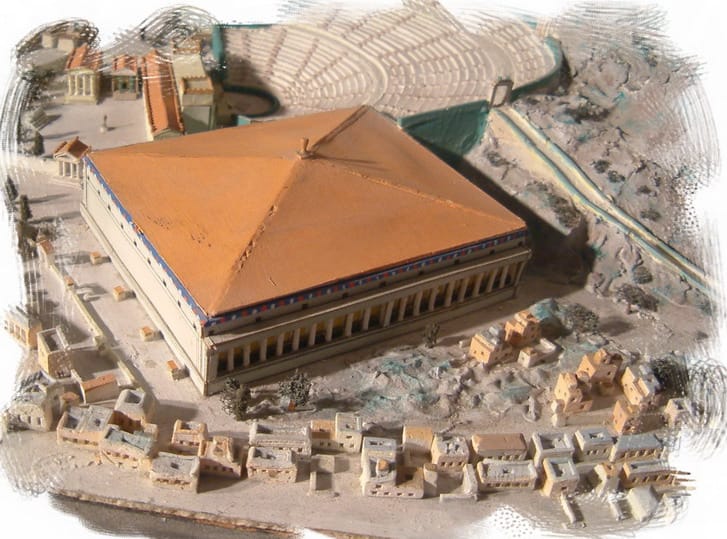
🎵 Odeon of Pericles
Once a grand music hall and cultural venue built by Pericles, this structure stood as a hub of artistic life in Classical Athens. While only foundations remain, it once hosted dramatic performances, competitions, and public events tied closely to the Theater of Dionysus.

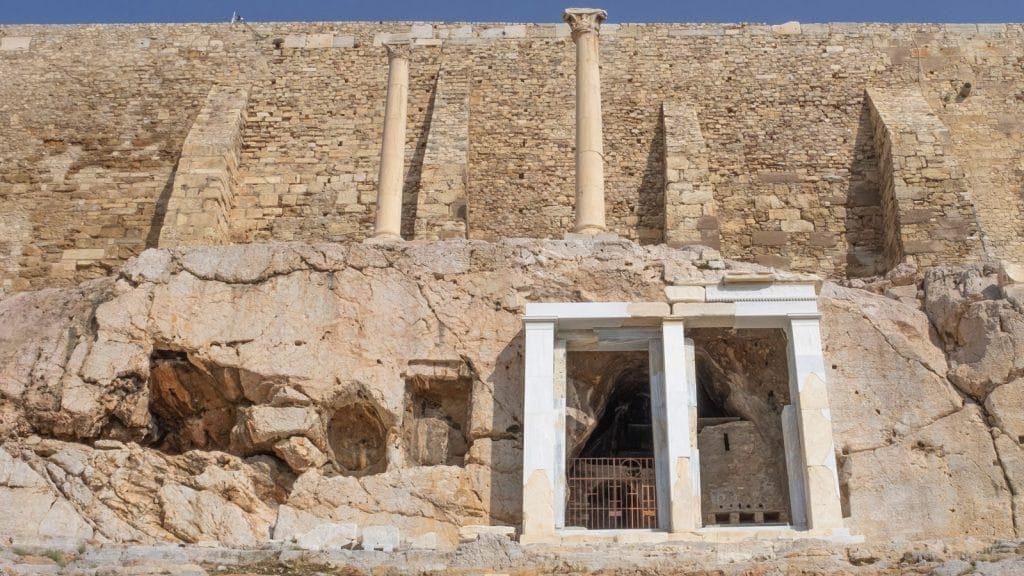
🏛️ Choregic Monument of Thrasyllos (Panagia Speliotissa)
A rare sight carved directly into the rock of the Acropolis, this 4th-century BCE monument was originally erected by Thrasyllos to commemorate a theatrical victory. Later, during Byzantine times, a chapel was inserted into its structure — Panagia Speliotissa, a cave-like church dedicated to the Virgin Mary.
- 🔍 Did You Know? The monument was partly destroyed during the Ottoman siege in 1827. Its unique dual identity — ancient and Christian — makes it a symbol of Athenian continuity.
 Added By gus kontopuls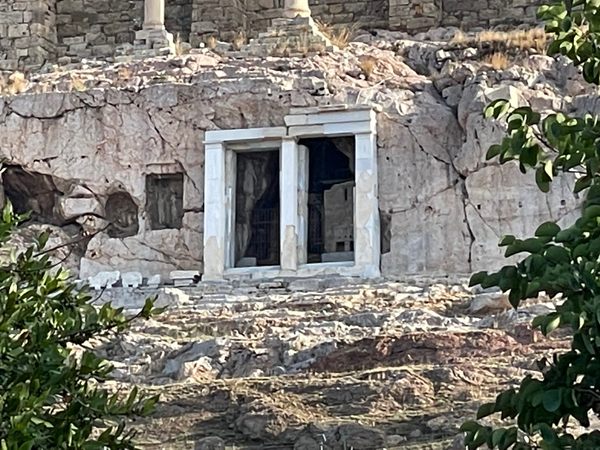
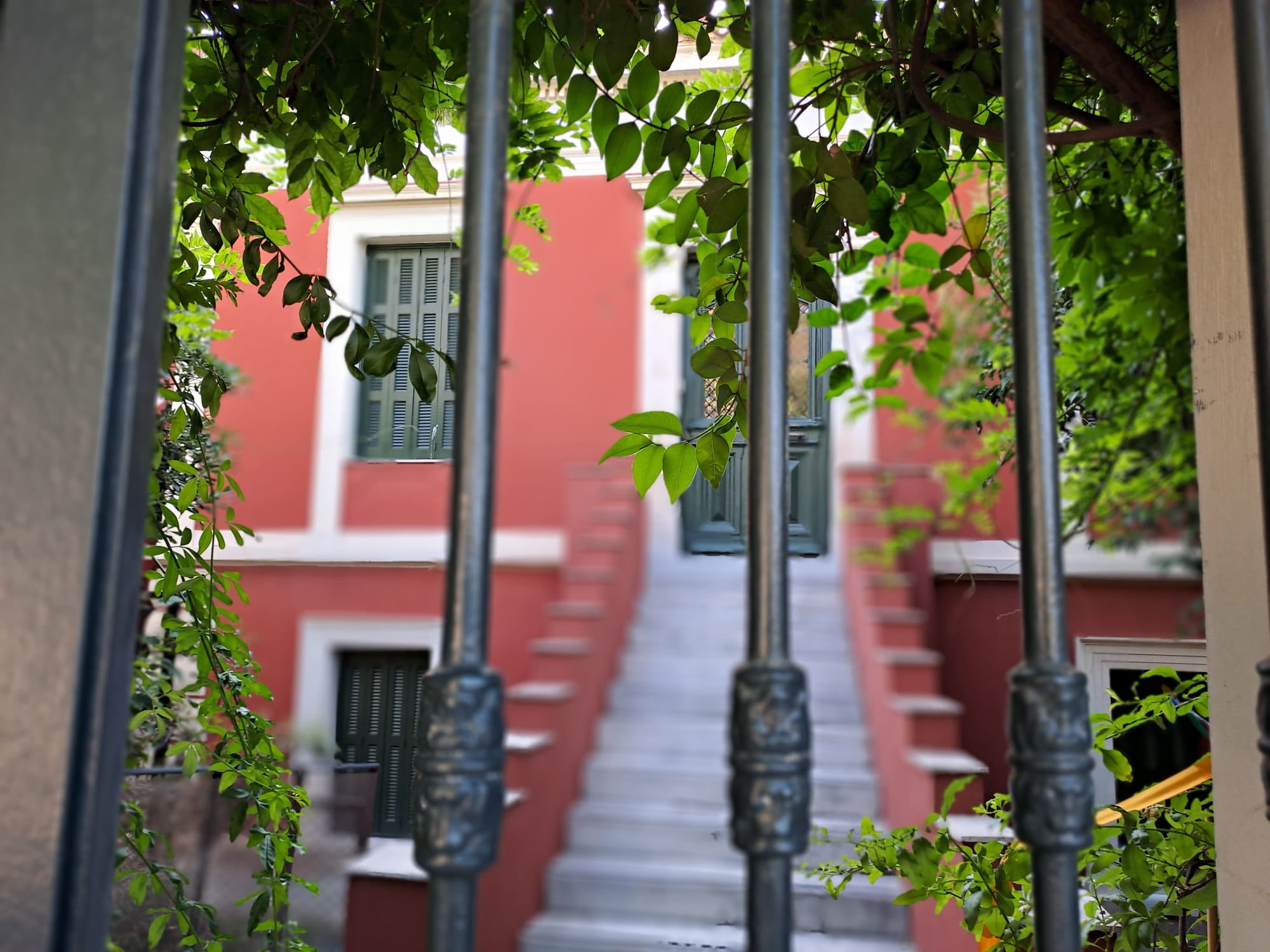
🏫 Parliament Kindergarten
Hidden behind neoclassical walls, this state-run kindergarten is located within a historically protected structure. The building itself is not open to the public but adds local color to the walk — and its quiet courtyard often echoes with children’s laughter, offering a soft contrast to the surrounding ruins.
🏺 Ephorate of Prehistoric & Classical Antiquities – Conservation Lab
On this street sits a branch of Greece’s archaeological authority. Here, experts work to clean, preserve, and document artifacts from excavations across the city. You may not be able to enter, but it’s worth noting that this is where many of the city’s ancient finds are restored before reaching museum display.

📍Stratónos Street
Where Resistance, Reverence & Ruins Meet
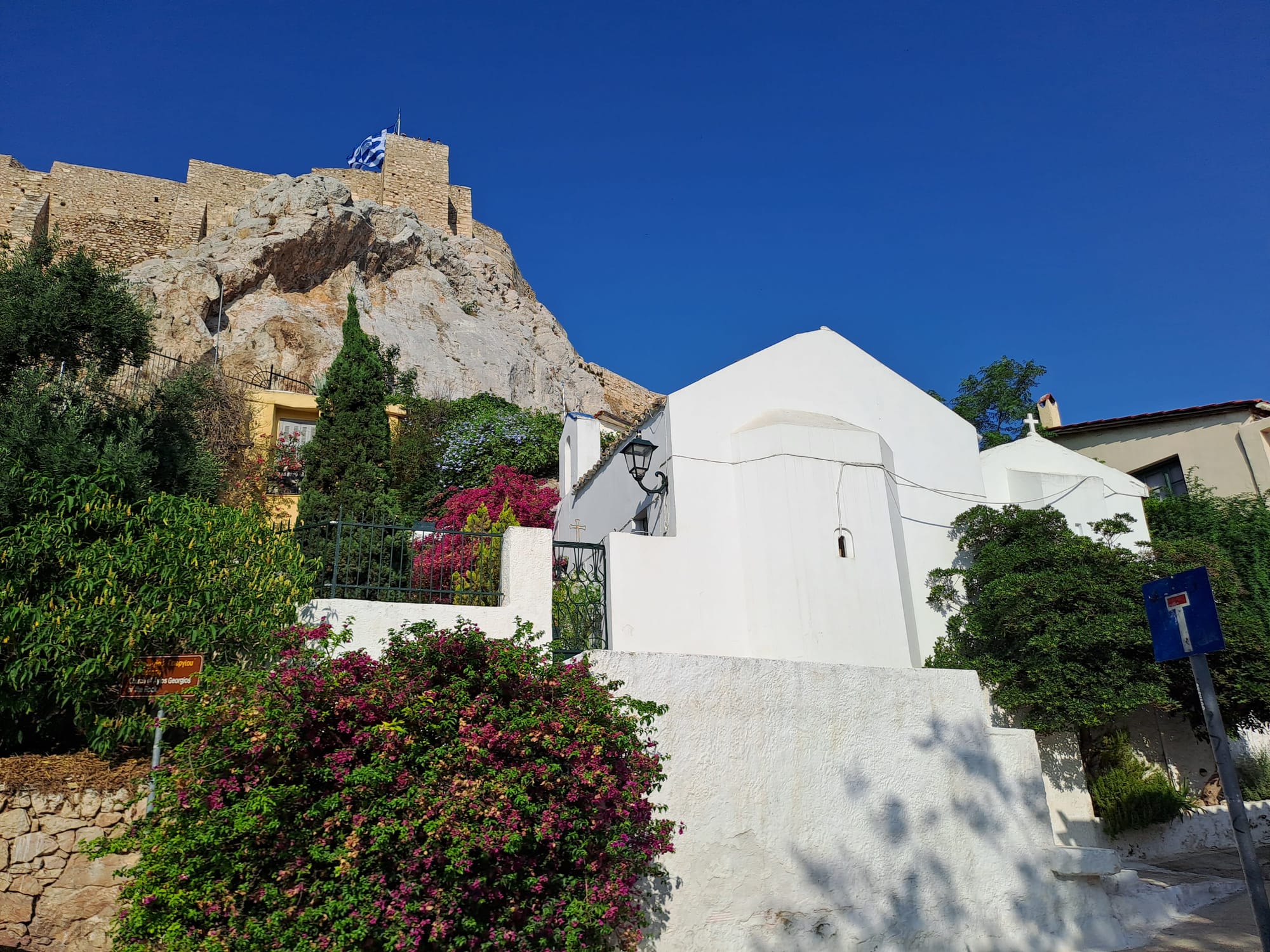
Stratónos Street (Οδός Στρατώνoς) curves quietly beneath the northeast side of the Acropolis, forming a natural bridge between the old-world charm of Plaka and the storybook neighborhood of Anafiotika. This short segment is rich in symbolism, heritage, and lesser-known history.
⛪ St. George of the Rock
Tucked against the slope of the Acropolis, this modest Byzantine church is dedicated to Saint George, the patron of soldiers. Locals call it “tou Vrachou” ("of the rock") because it's built right into the hill.
- 🕯 It marks the lower entrance to Anafiotika, the whitewashed island-style neighborhood built by stone masons from Anafi in the 19th century.
 Evgeny Praisman
🏛 Neoclassical Building
Just steps from the church, you’ll pass a well-preserved neoclassical house — a hallmark of 19th-century Athenian architecture. Painted in soft tones with tall shuttered windows, it’s one of many structures in Plaka protected as a historical landmark.
- 💡 While not open to the public, it's ideal for capturing the layered architectural identity of modern Athens.
🌳 Acropolis Garden Playground
Yes — a playground under the Acropolis! A few meters uphill, hidden behind low trees and stone walls, this spot offers a surprising green break from the historical density of the area.
- 👨👩👧 Perfect for families walking the route with kids — and a reminder that Athenians live and play in the shadow of ancient ruins.
 Paul Antonopoulos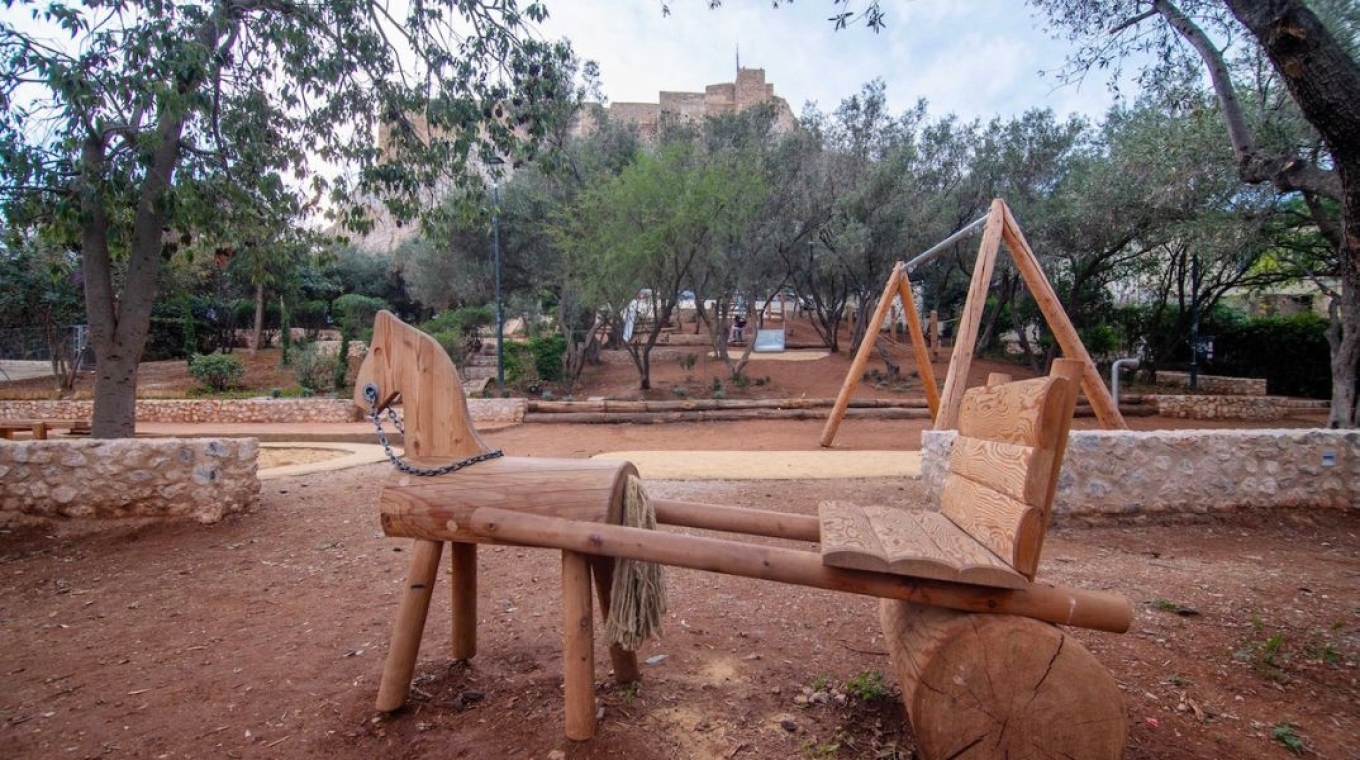
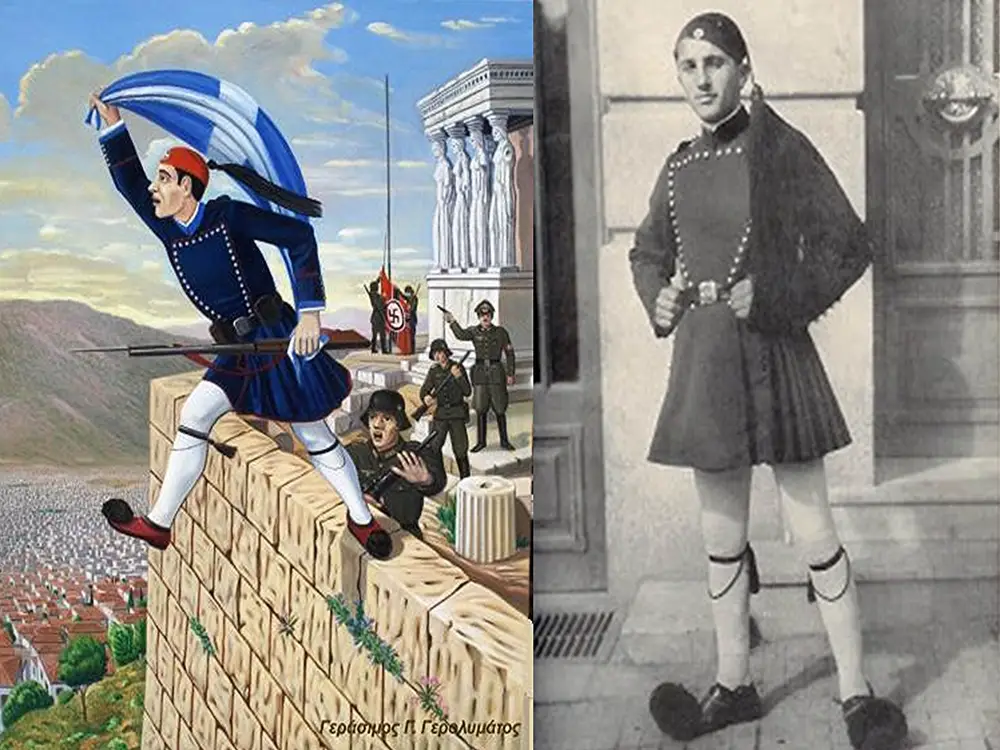
🇬🇷 The Story of Konstantinos Koukidis
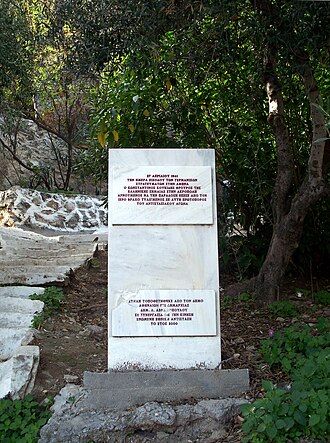
Look for a small commemorative plaque set into the rock face. It honors Konstantinos Koukidis, a young Greek soldier (or Evzone guard) who, according to legend, refused to surrender the Greek flag to German forces during the Nazi occupation in 1941 — and instead wrapped himself in it and leapt to his death from the Acropolis.
- 📜 Though the story is debated historically, it has become a powerful symbol of resistance and national pride.

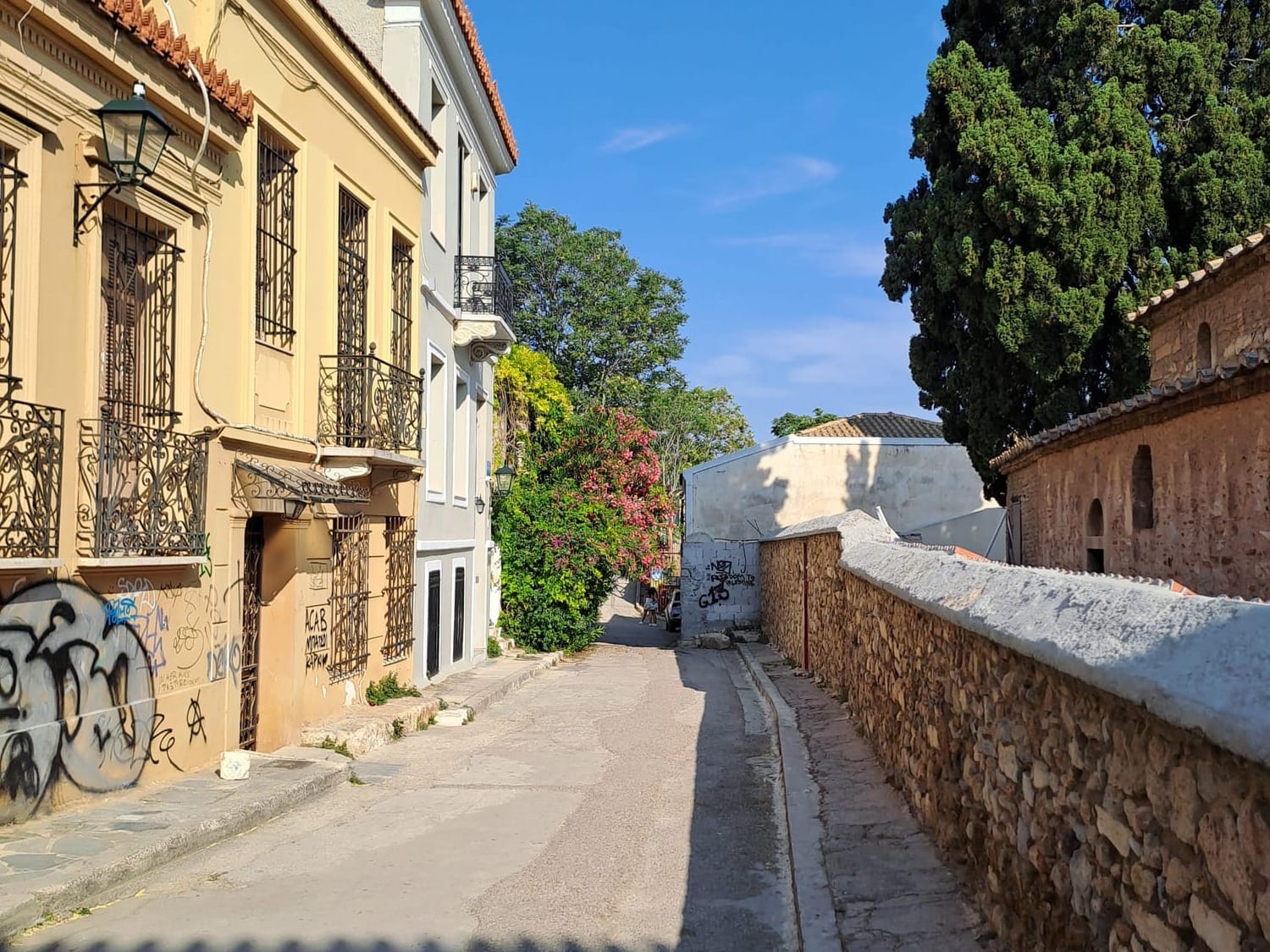
📍Church of Agioi Anargyroi Kolokinthous
Christianity on top of an old goddess
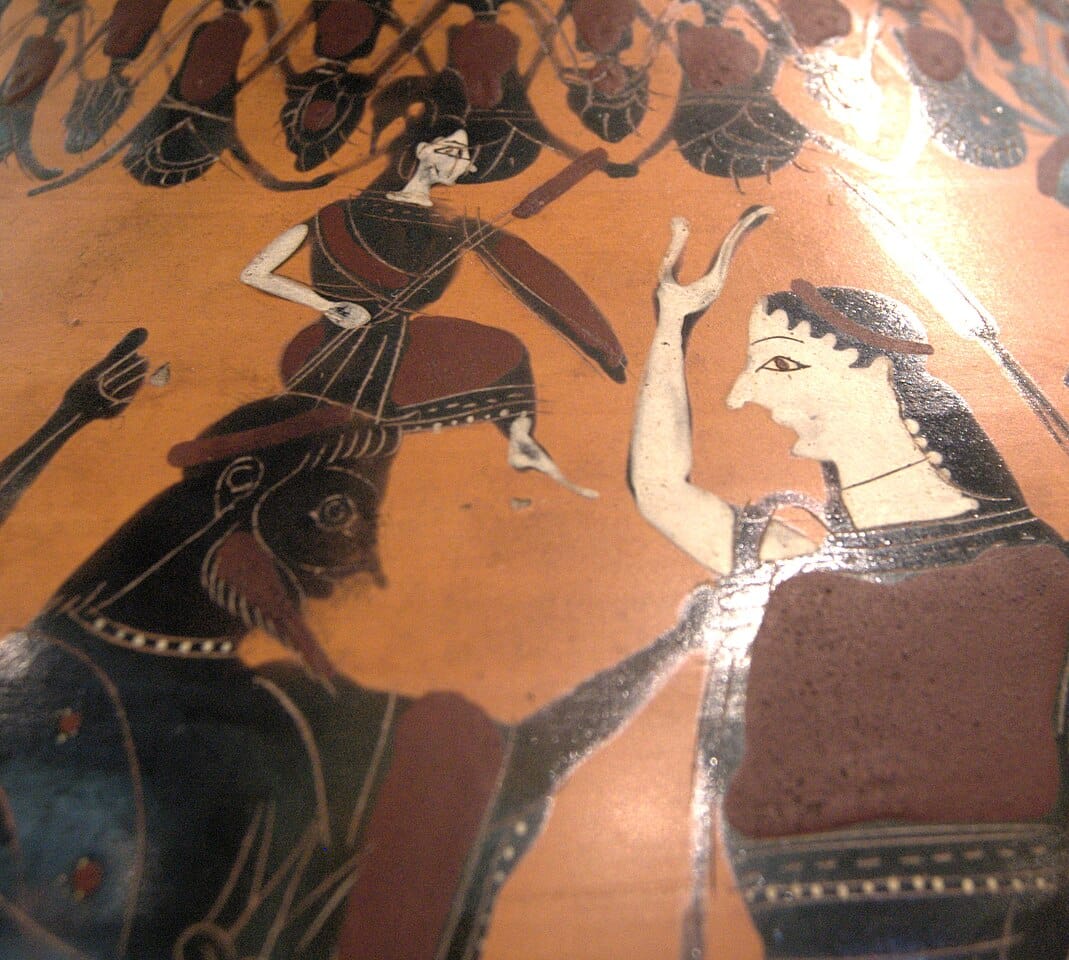
Tucked away in the Kolokynthou area, this small but 1 significant Byzantine church carries centuries of spiritual and architectural legacy. Its foundations rest upon the ruins of an ancient temple dedicated to Eileithyia, the Greek goddess of childbirth.
🔍 Historical Layers
- The site embodies a continuity of worship, transitioning from ancient Greek religion to early Christianity.
- The church honors the Agioi Anargyroi ("Holy Unmercenaries"), a group of early Christian saints known for healing without accepting payment — a reflection of the site's long-standing association with care and life.
🏛 Architectural Notes
- The church preserves Byzantine-era masonry and modest iconography.
- Inside, visitors may spot faded frescoes and simple, locally revered relics.
 Religious
📍Prytaneiou Street
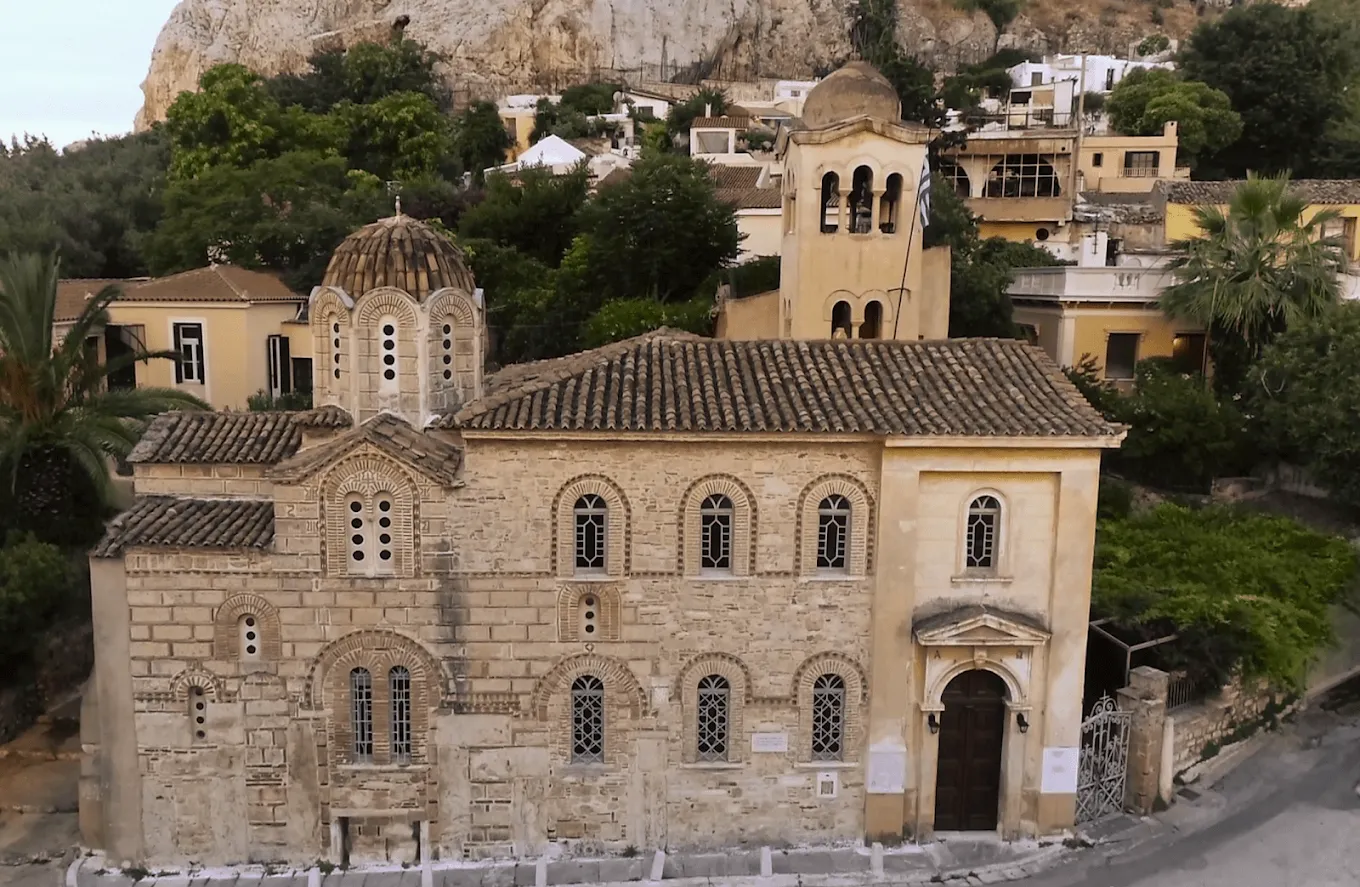
Agios Nikolaos Ragavas Church: One of the oldest churches in Athens, dating back to the 9th century. Its historic bell holds special significance—it was the first to ring after the liberation from Ottoman rule, symbolizing freedom for Athenians.

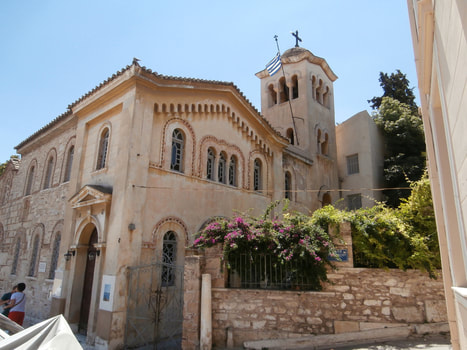
Directorate of Museums, Exhibitions, and Educational Programs: This nearby institution manages cultural exhibits and educational heritage programs across the city.
Agioi Anargyroi Church: Another small, peaceful church tucked in the neighborhood, blending history with the quiet atmosphere of Plaka.
Prytaneiou Street offers a quiet escape with plenty of cultural layers for those who slow down to notice.1
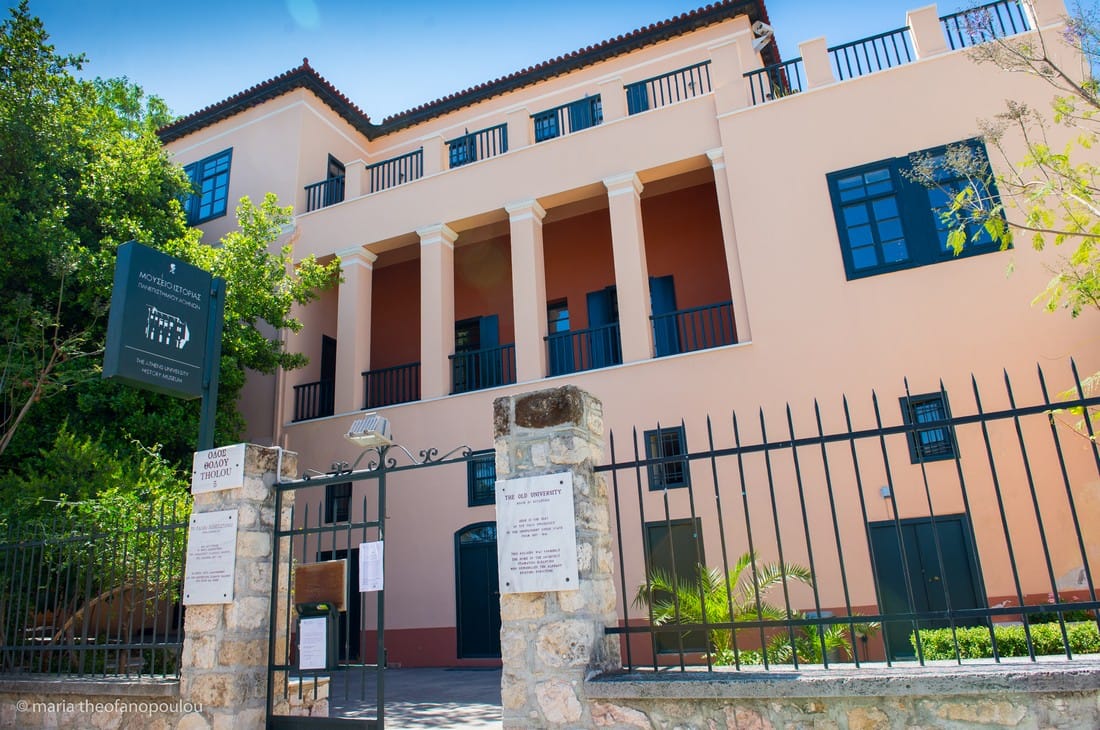
📍Tholou Street
A short but historically rich street, / highlights Athens' academic and archaeological heritage.
First University of Athens (Old University): Known as the Kapodistrian University of Athens, this was the first university in Greece, established in 1837. Today, it operates as a museum showcasing the country’s educational history.


House of Cleanthes (Οικία Κλεάνθους): The restored residence of architect Stamatios Cleanthes, which once served as university premises. It now hosts exhibitions about the early years of Athens as the modern capital.
https://www.visitgreece.gr/experiences/culture/museums/athens-university-history-museum/
Archaeological Society of Athens (Αρχαιολογική Εταιρεία): Active in excavations on Santorini (Θήρα) and other important sites, their offices and exhibitions along the street reflect Greece’s dedication to archaeology.
 xTek - exceptional technologies
Tholou Street is a perfect stop for those interested in Greece’s academic roots, archaeological efforts, and neoclassical history, all nestled in the quiet charm of Plaka.
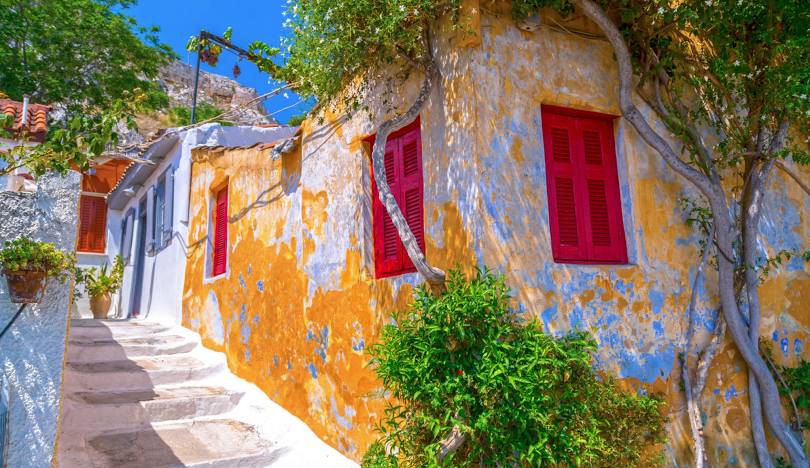
📍Anafiotika Neighborhood
Tucked beneath the Acropolis, Anafiotika feels like a tiny Cycladic island in the heart of Athens.
Built in the 19th century by skilled craftsmen from the island of Anafi, the neighborhood is famous for its whitewashed houses, narrow alleyways, and island-like charm—a peaceful escape from the city’s bustle.
Notable nearby spots include:
Museum of Modern Greek Culture: Exhibiting daily life and traditions of recent Greek history.


Museum of Greek Folk Art – People and Tools: A tribute to Greek craftsmanship through the ages, highlighting the tools and crafts of everyday life.


Ephorate of Antiquities of Western Attica: Administrative offices overseeing archaeological heritage.
Anafiotika offers a unique blend of island tranquility and Athenian history, perfect for photography and quiet exploration.
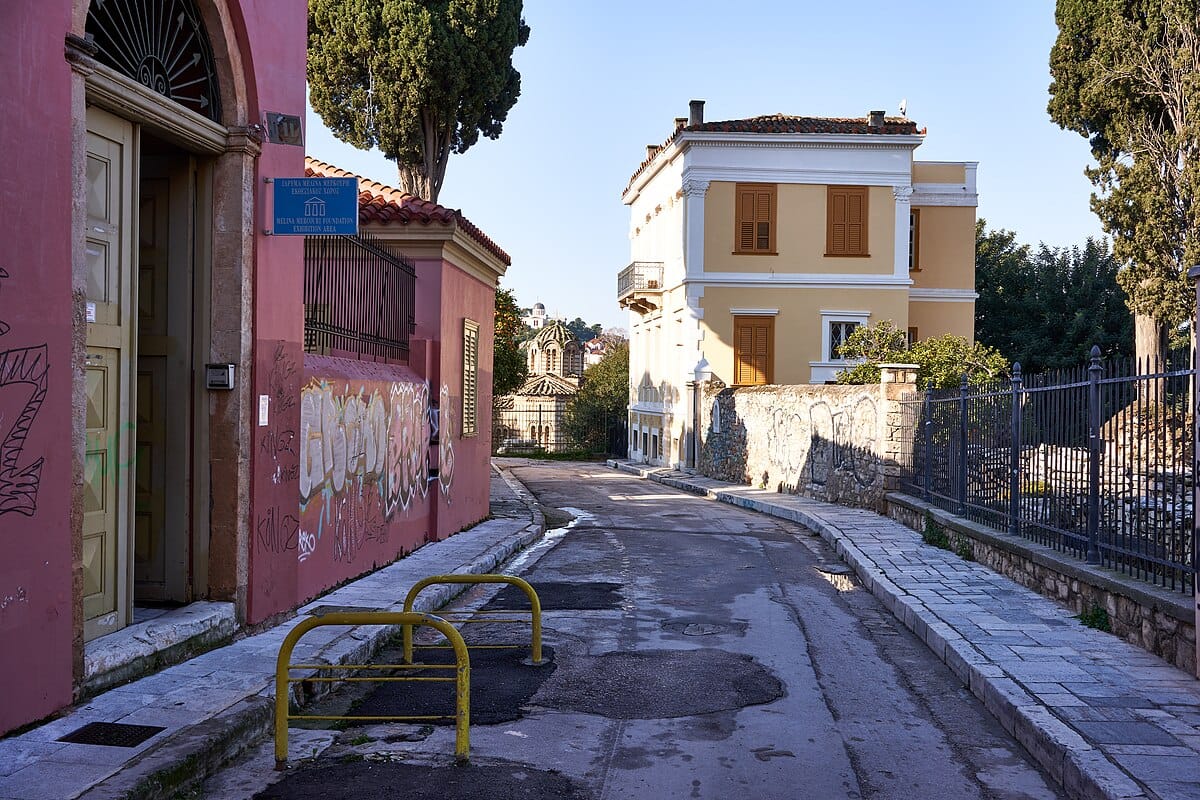
📍Polygnotou Street
Glimpses into both ancient and modern Greek history.
Zografou Mansion: A neoclassical residence overlooking the Agora, formerly owned by Dr. Konstantinos Zografou.
Friends of Panagiotis Kanellopoulos Collection: Small museum with art and historical exhibits.
Elytis House Museum: Dedicated to Odysseas Elytis, Nobel Prize-winning Greek poet.


Melina Mercouri Foundation Exhibition Space: Cultural space honoring the famous actress and cultural minister, with exhibits on her life and work.


Polygnotou Street is ideal for quiet walks, cultural exploration, and scenic views of the Ancient Agora.
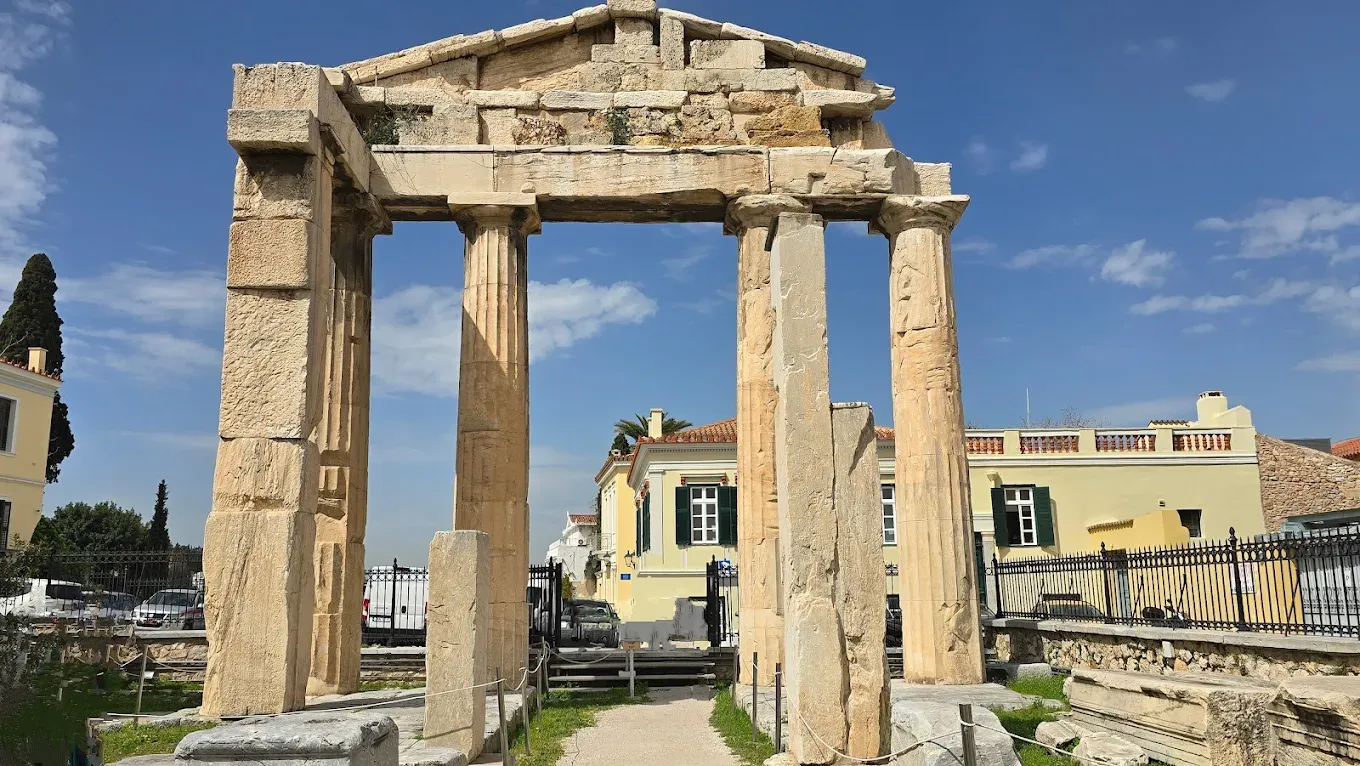
📍Dioskouron Street
A peaceful street with a direct view of the Acropolis, perfect for photo stops
It’s surrounded by important historical and cultural landmarks:
Roman Agora: The heart of ancient Athens' public life, featuring iconic ruins like the Tower of the Winds.

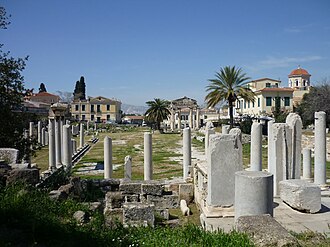
European Public Law Organization: Housed in a historic building near the Roman Agora.
Cyclades Antiquities Ephorate: Oversees archaeological work and exhibitions related to the Cyclades islands.
Great spot to pause, enjoy the views, and soak up the classical atmosphere.
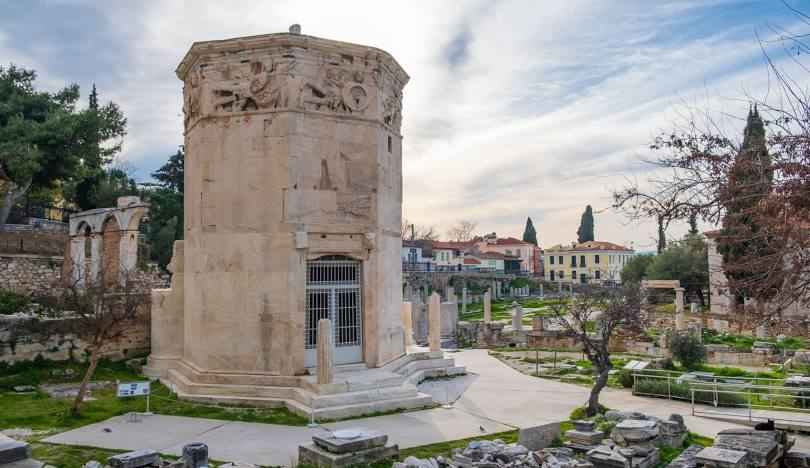
📍Epaminonda Street
A charming street that runs alongside the Roman Agora, offering a quieter path through Plaka.
Quick access to the Tower of the Winds, one of Athens' most unique ancient landmarks.

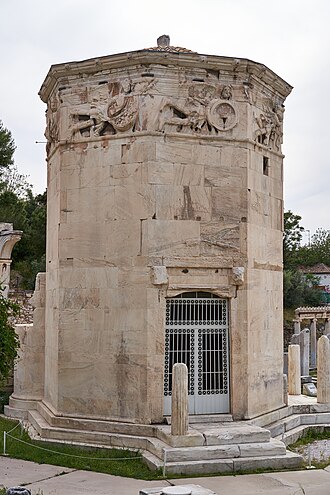
Relaxed vibe, with traditional houses and small shops, perfect for a stroll after visiting the main sites.
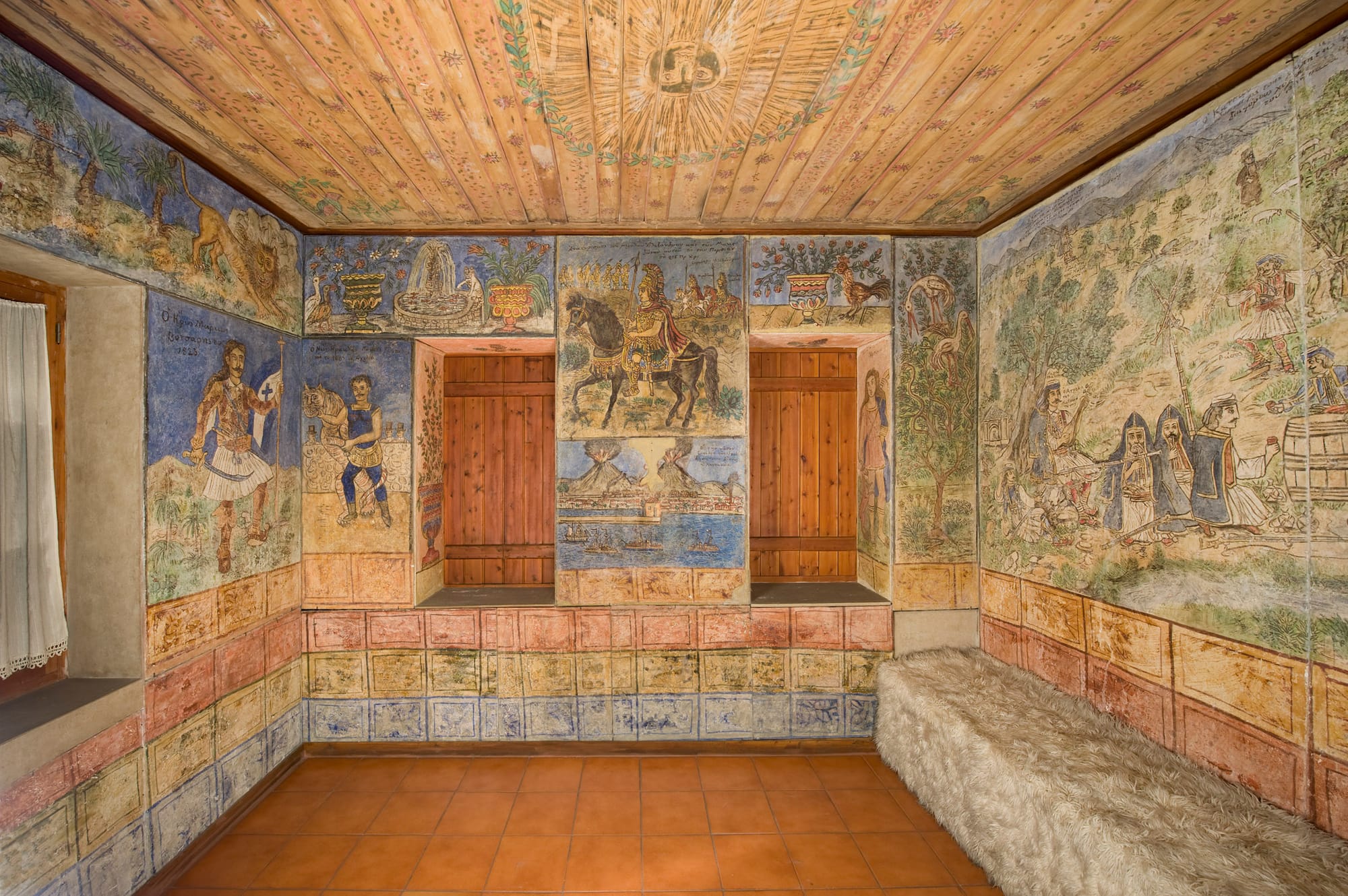
📍Dexippou Street
Panagia Grigorousa Church: A small, beloved neighborhood church with local character.
 Religious
Museum of Modern Greek Culture: Explore everyday life and folk traditions from Greece’s more recent history, just steps away from the ancient landmarks.

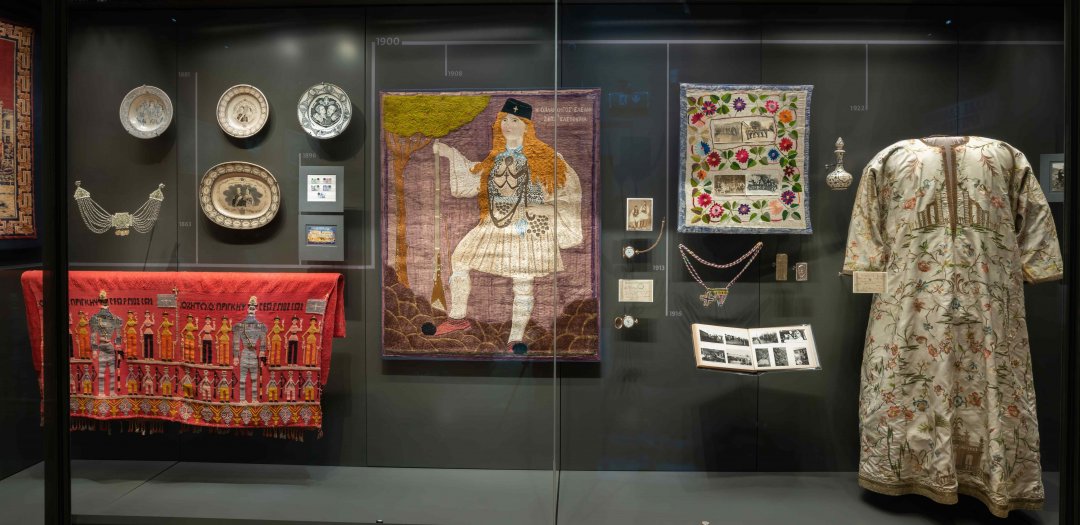
📍Areos Street
A short but lively stretch blending ancient history with local craft.
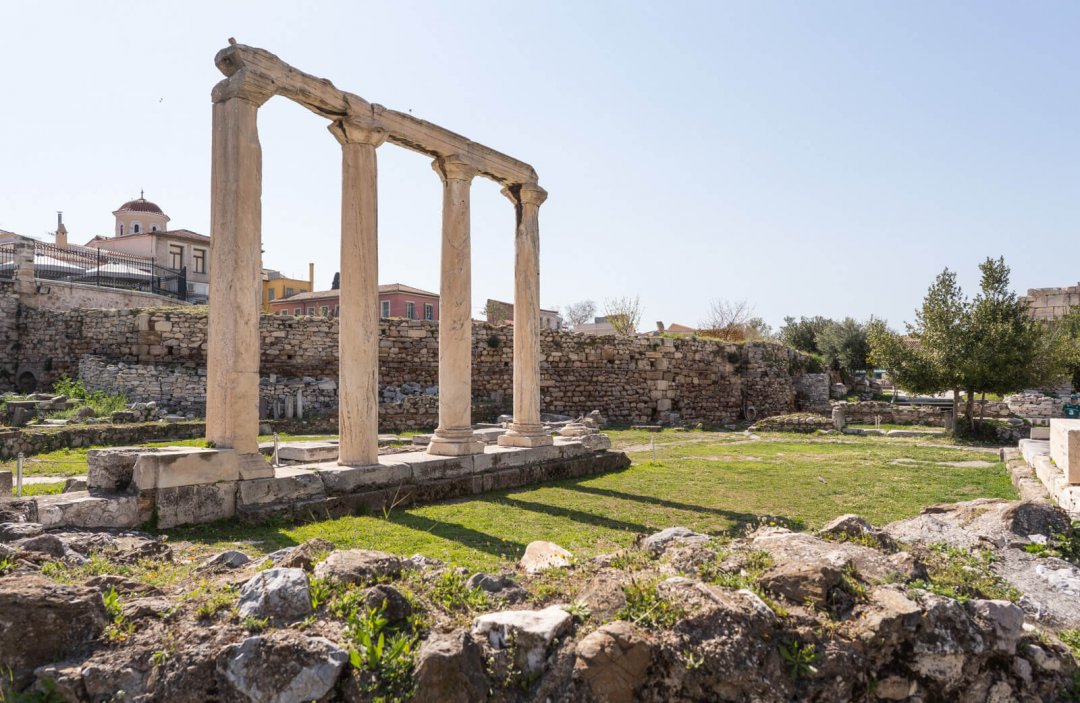
Hadrian’s Library: Just around the corner, one of Athens’ most impressive Roman-era sites.

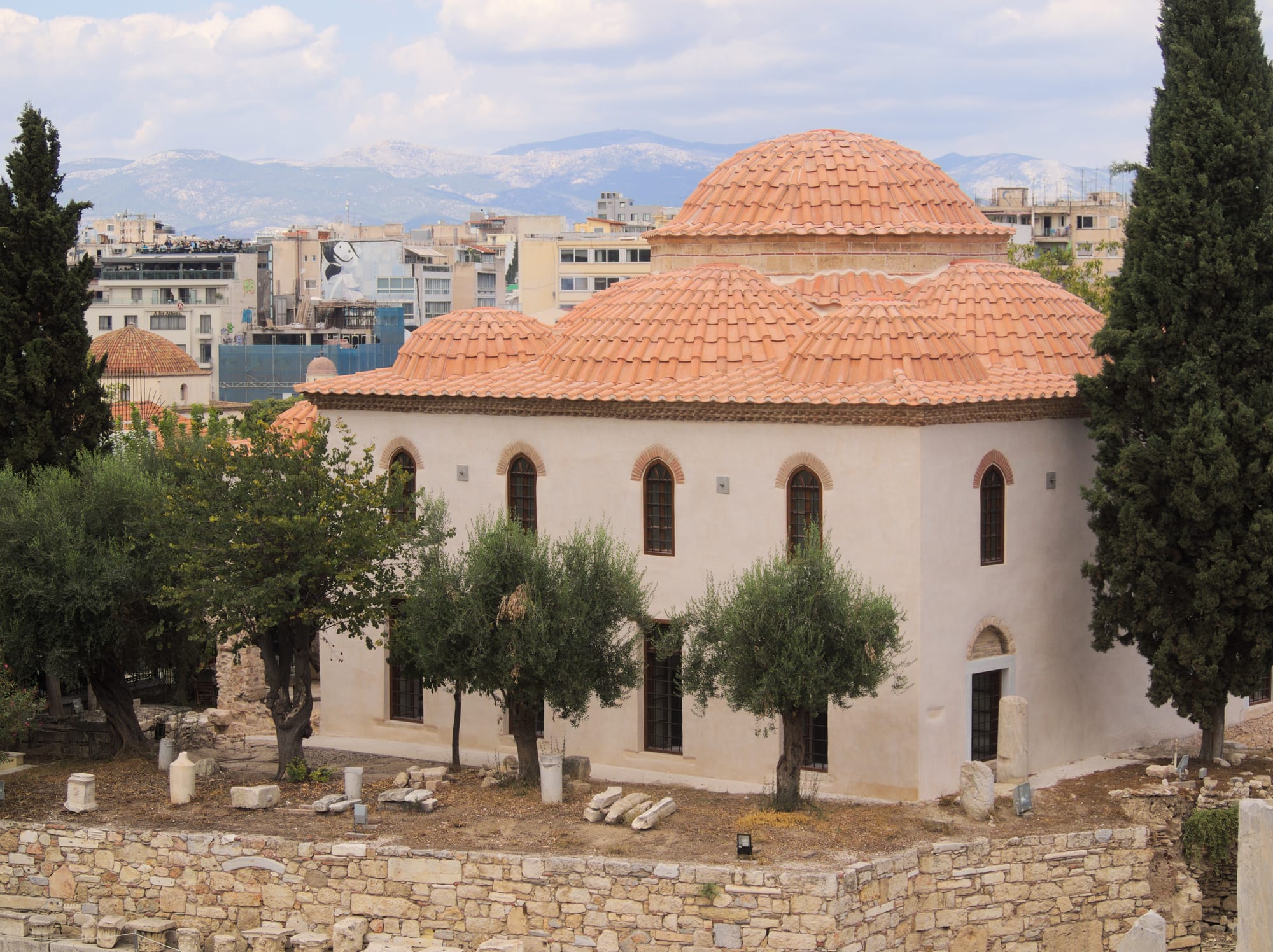
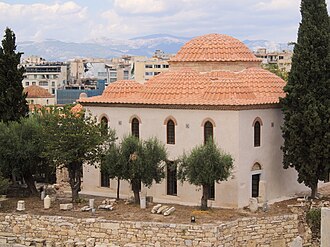
Fethiye Mosque & Traditional Pottery Shops: Discover traces of Ottoman Athens and browse shops selling handmade ceramics.

🏁 Monastiraki Square & Metro Station
The bustling heart of old Athens.
Monastiraki Square: Famous for its flea market, vibrant atmosphere, and views of the Acropolis.

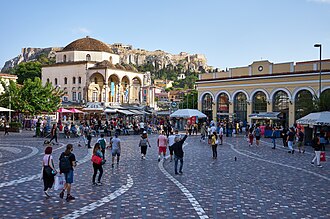
Metro Access (Lines 1 & 3): Direct connections to the airport, Piraeus port, and other key areas of Athens, making it a convenient starting or ending point for your walk.
 gtaga
gtaga